The Maasai People
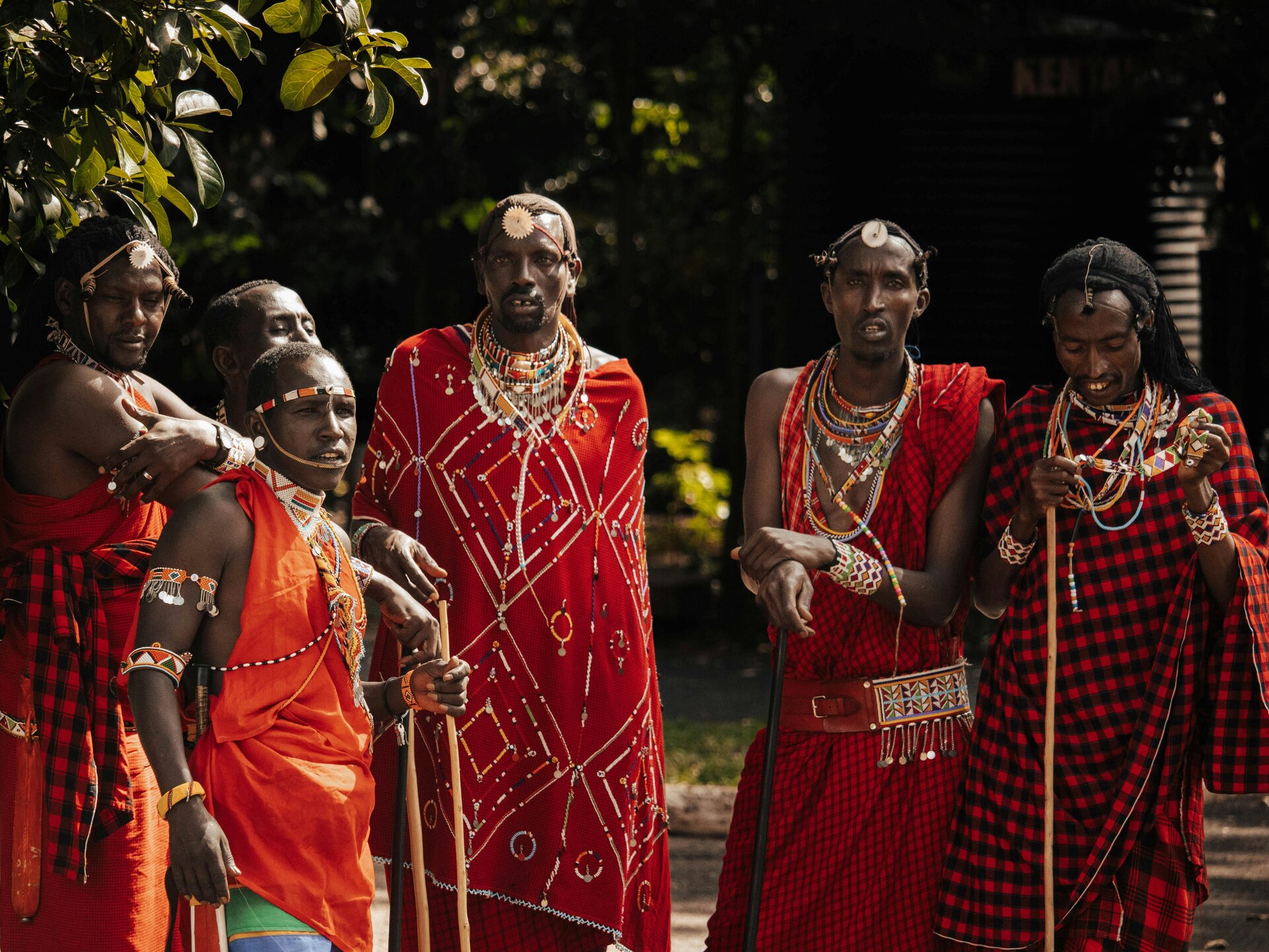
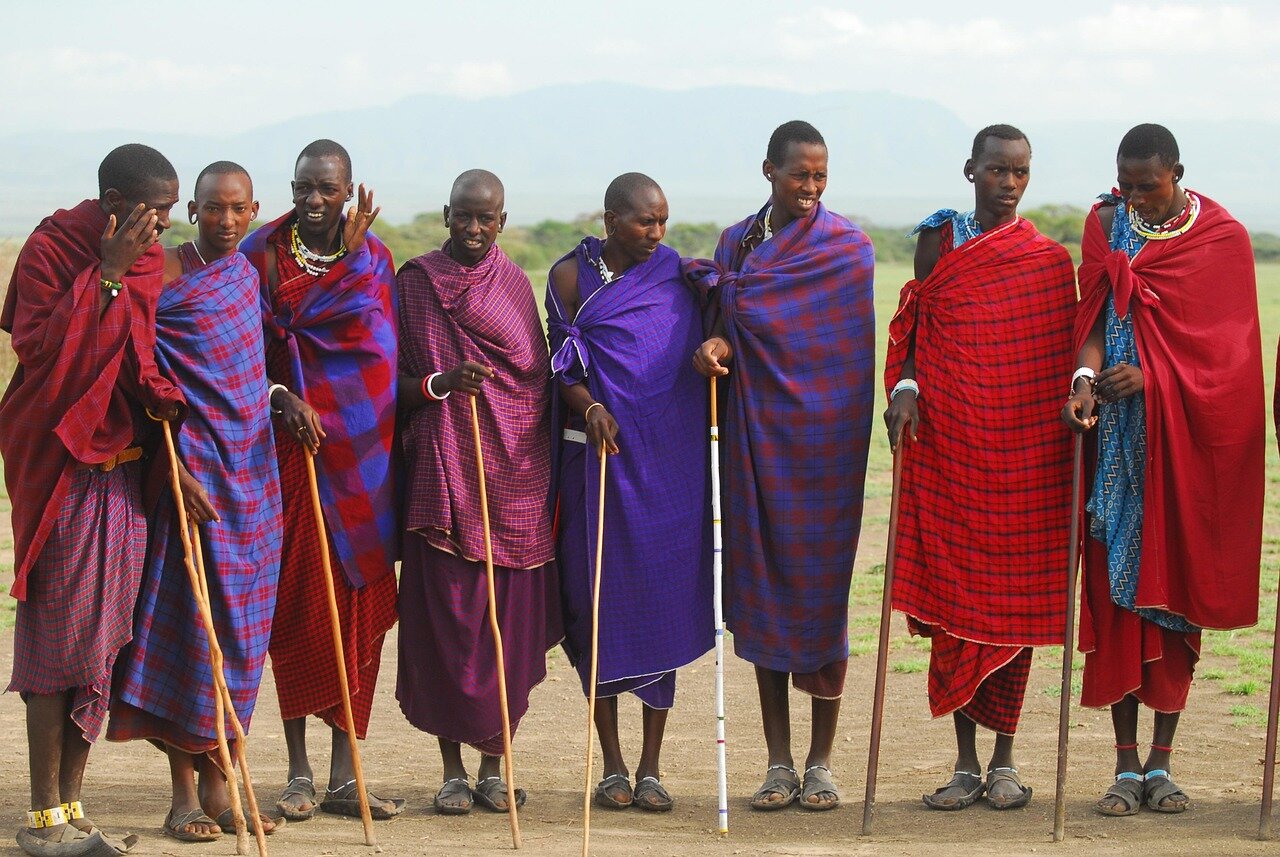
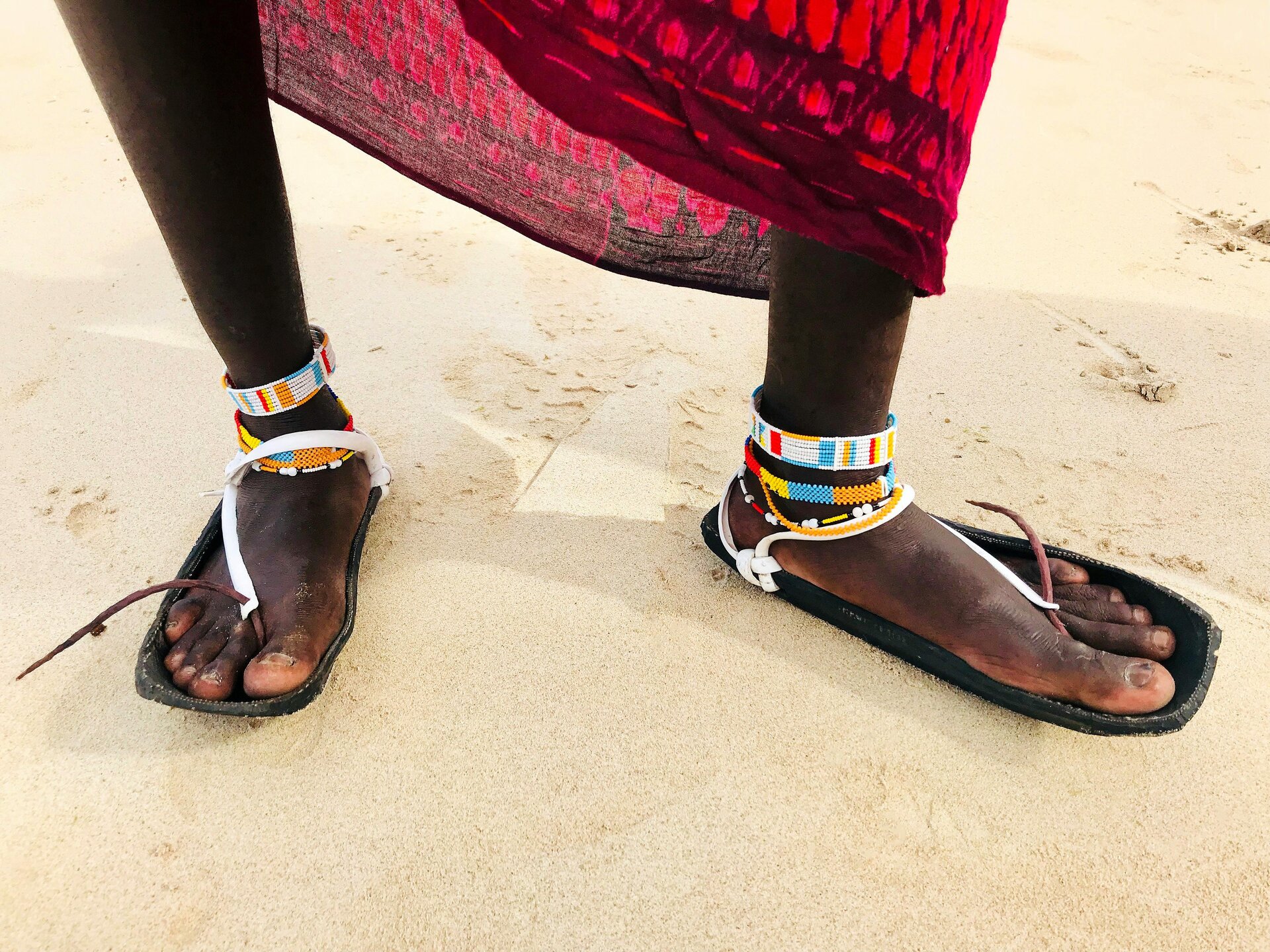
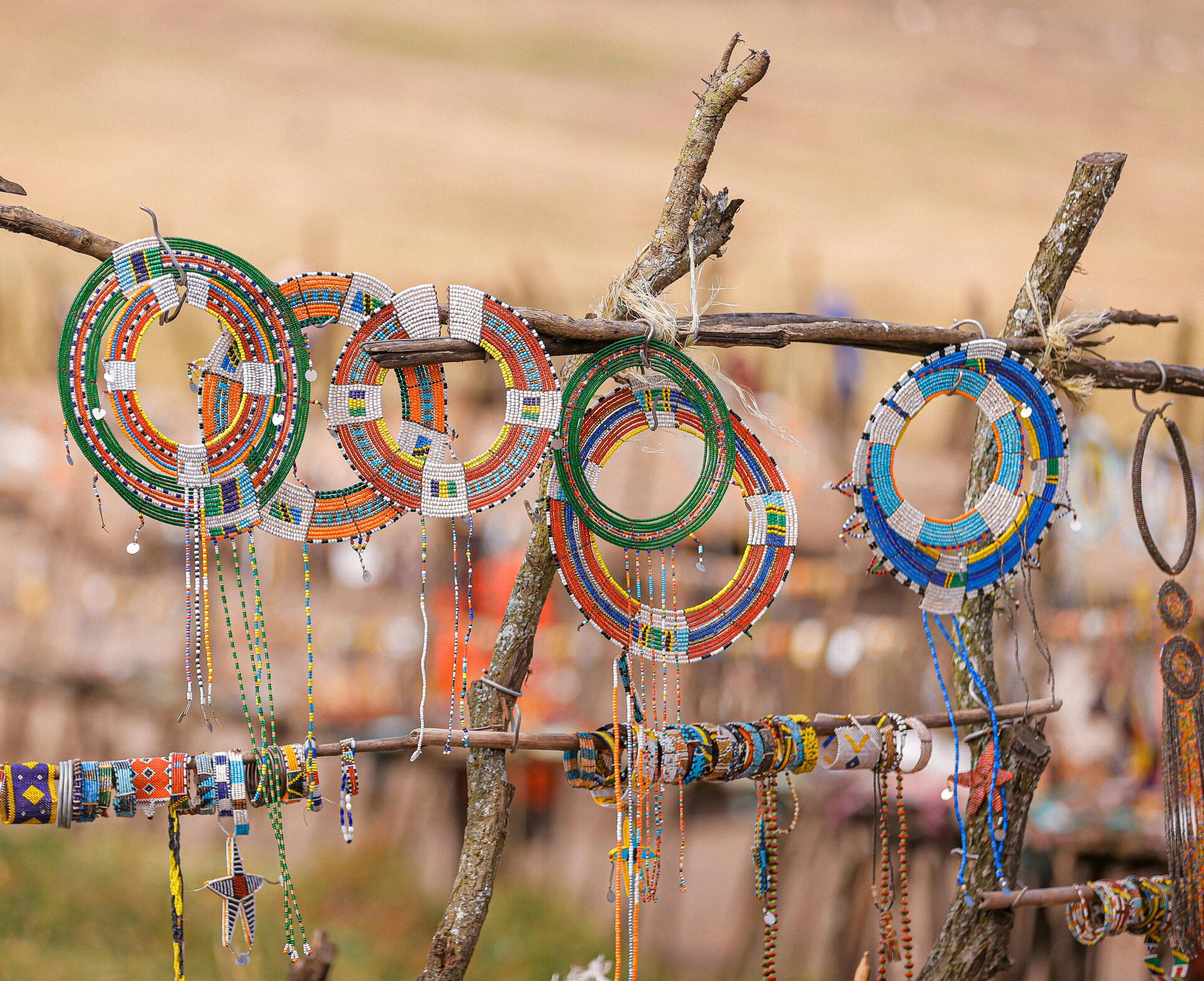
The Maasai are among Kenya's most recognized communities, known for their distinctive red clothing, intricate beadwork, and warrior traditions. Despite modernization, many Maasai maintain their pastoral lifestyle, herding cattle across the savannahs of southern Kenya and northern Tanzania.
Visitors can participate in cultural experiences at Maasai villages, learning about traditional practices including jumping dances, fire-making techniques, and the symbolic importance of cattle. The Maasai's deep connection to the land and wildlife has made them important partners in conservation efforts.
Arts and Crafts
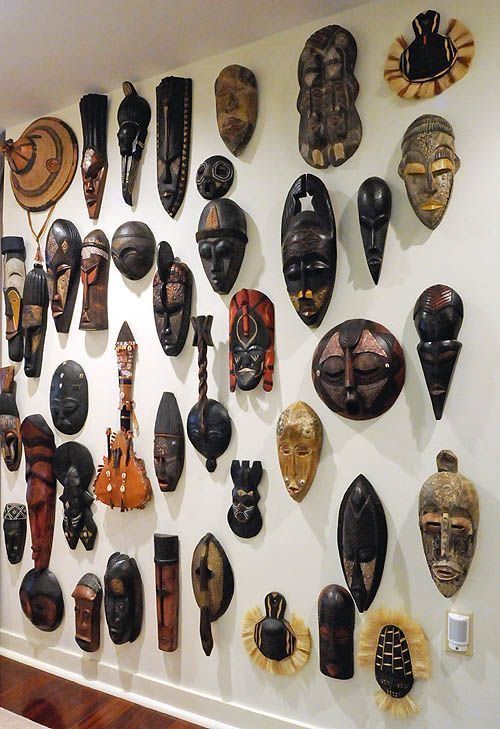
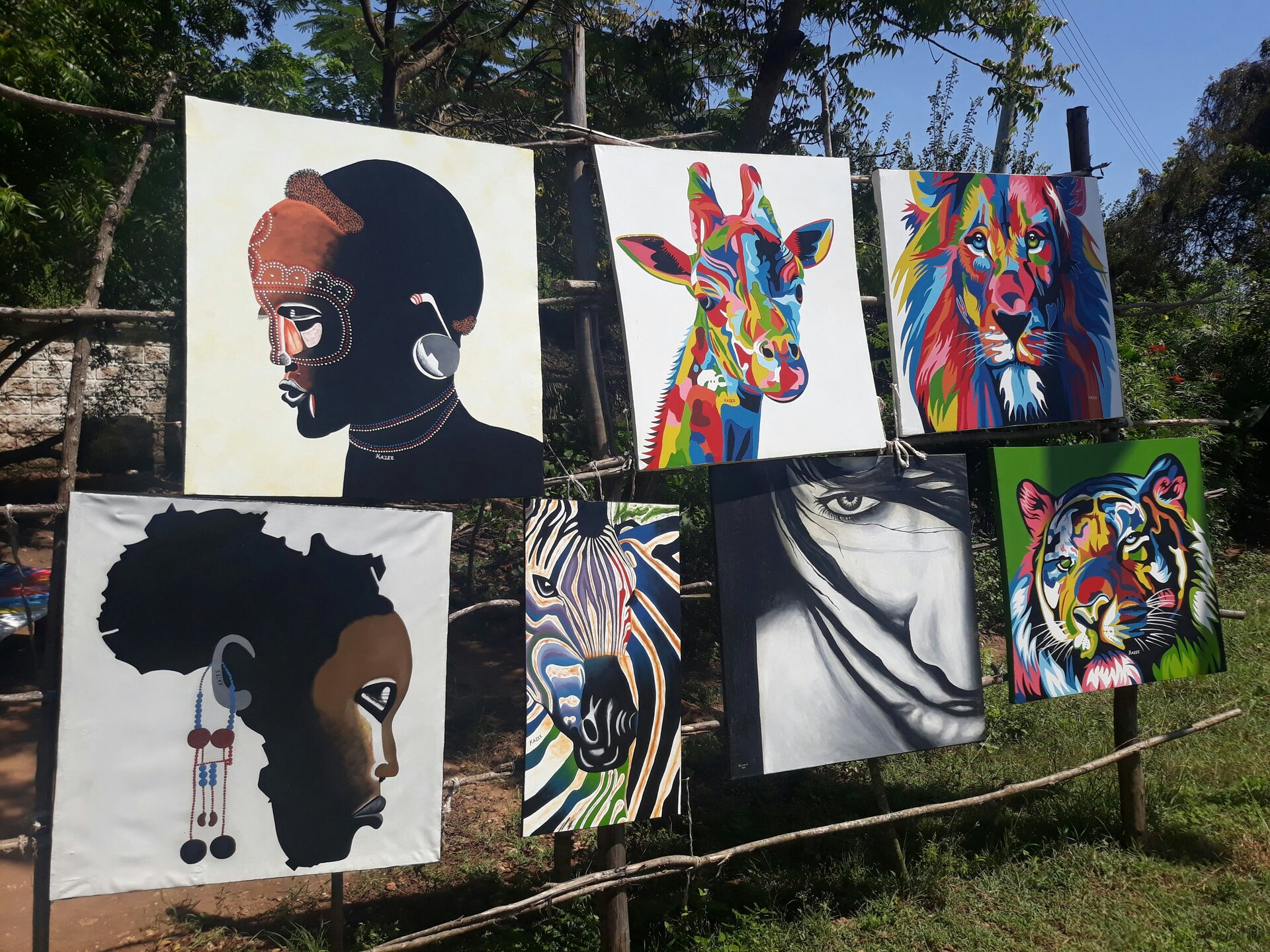
Kenyan artisans produce remarkable handicrafts that reflect cultural heritage and creative innovation. Visitors can find colorful Maasai beadwork, intricate wood carvings from the Kamba people, woven baskets, soapstone sculptures from Kisii, and contemporary paintings depicting African wildlife and daily life.
Markets and cooperatives throughout Kenya offer authentic crafts directly from artisans. The Maasai Market in Nairobi, craft centers in coastal towns, and community workshops provide opportunities to purchase meaningful souvenirs while supporting local craftspeople and preserving traditional skills.
Kenyan Cuisine
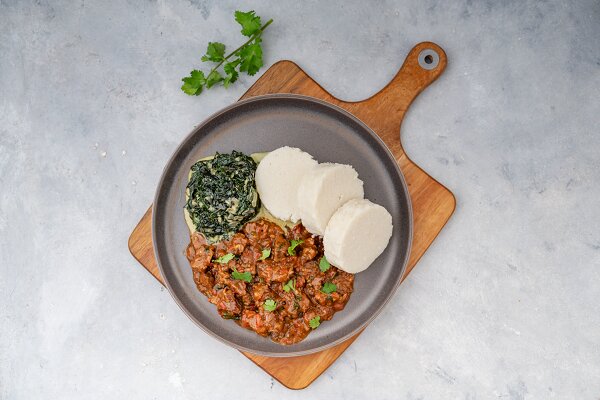
Kenyan food reflects the country's agricultural abundance and cultural diversity. Staple foods include ugali, a maize-based dish served with vegetables and meat or fish, nyama choma which is grilled meat enjoyed at social gatherings, and sukuma wiki, nutritious collard greens.
Coastal cuisine features coconut milk, spices, and fresh seafood in dishes like coconut rice and fish curry. The highlands produce excellent tea and coffee, which Kenya exports worldwide. Street food like samosas, mandazi sweet bread, and roasted maize offer quick tastes of local flavors.